September 17, 2026
Energy efficiency has become a top priority for homeowners seeking to lower monthly energy consumption and cultivate a comfortable living environment. Windows act as primary conduits for energy transfer in any house, making their thermal performance critical to climate control. When outdated glass unit structures fail to block incoming heat or retain interior warmth, HVAC equipment must work twice as hard to maintain steady indoor temperatures. Addressing these vulnerabilities by considering professional window replacements can significantly improve a home's overall thermal envelope and structural efficiency.
Upgrading home entry points and glass features does far more than refresh an exterior aesthetic. Modern building materials, specialized glass treatments, and expert installation techniques combine to form an effective barrier against drafty weather conditions and unwanted temperature shifts. Beyond energy savings, high-performance updates elevate daily indoor comfort, reduce outdoor noise pollution, and contribute to long-term property protection. Understanding how residential upgrades function enables homeowners to make informed decisions for upcoming home improvement projects.
Evaluate Energy Loss and Inefficiency
Windows play a major role in a building's overall energy dynamic because they permit natural daylight while acting as potential exit points for conditioned indoor air. Older single-pane fixtures lack the insulating properties required to resist seasonal weather swings, allowing drafty conditions to penetrate living spaces. Over time, original wooden frames can warp, seals degrade, and subtle gaps form around casing perimeters. When these structural defects accumulate, heating and cooling equipment must run continuously, leading to elevated energy usage throughout the year. Identifying these failure points helps residents determine when investing in full window replacements becomes necessary to protect their home envelope.
Recognizing the financial and environmental impacts of drafty glass units is essential for long-term property management. Inefficient features contribute to excessive energy consumption, increasing a household's environmental footprint. According to a survey published by This Old House, over 89% of property owners noticed reduced utility costs each month following the installation of updated windows. Lowering monthly energy demands protects household budgets while supporting broader sustainability efforts. Beyond routine monthly savings, upgrading structural glass elements strengthens overall building performance, ensuring living areas remain cozy during winter freezes and cool through summer heatwaves.
Explore Glass Coatings and Insulation
Modern glass manufacturing has introduced remarkable innovations designed specifically to restrict thermal exchange. Low-emissivity glass coatings utilize microscopic metallic layers that reflect heat back to its source while permitting natural daylight to flood interior rooms. During winter, this specialized coating bounces interior radiant heat back into living spaces, while in summer, it reflects heavy solar heat away from the house exterior. Incorporating these advanced glass choices into new window replacements helps maintain stable indoor temperatures without placing unnecessary strain on heating and cooling systems.
Multi-pane glass designs further enhance thermal resistance by creating insulated air pockets between individual panes. Manufacturers often fill these interior spaces with harmless inert gases such as argon or krypton, which conduct heat far less than standard atmospheric air. Combined with advanced framing materials like vinyl, composite blends, or fiberglass, these insulated units block unwanted energy movement across every edge. Selecting superior frame materials alongside high-performance glass ensures whole-house renovations deliver quiet, climate-controlled interiors that stand strong against severe seasonal weather patterns.
Select Window Styles and Materials
Choosing appropriate styles requires balancing local climate demands, architectural style, and personal ventilation preferences. Casement units, which crank outward on side hinges, create tight mechanical seals against weather stripping when closed, offering outstanding protection against wind-driven rain. Double-hung styles feature dual sliding sashes that allow controlled air movement through top and bottom openings, making them a popular choice for classic residential architecture. Sliding styles provide smooth horizontal operation suited for spaces where outward clearance is limited. Planning residential window replacements around these functional benefits ensures every room receives proper ventilation and daylight.
Beyond basic operation, assessing energy rating labels provides vital guidance when comparing product options. Organizations evaluate units based on heat transfer rates and solar heat resistance, helping property owners select options optimized for regional weather patterns. Framing options should seamlessly complement existing exterior trim, entry doors, and patio openings to preserve architectural harmony. Whether coordinating glass upgrades alongside home remodeling initiatives or executing targeted door installations, selecting harmonious styles ensures that structural efficiency enhancements improve curb appeal simultaneously.
Prioritize Professional Installation and Craftsmanship
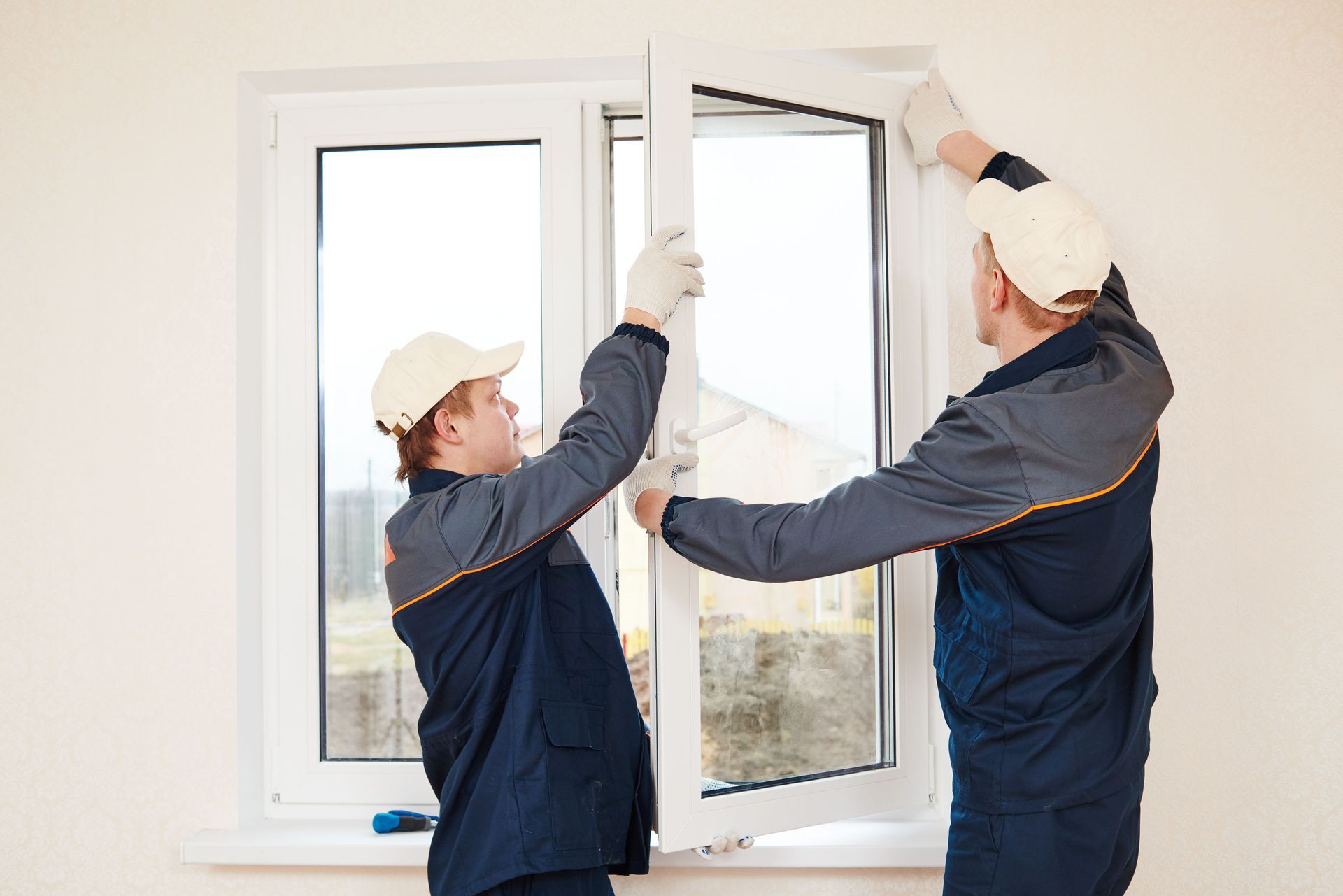
Even technologically advanced glass units cannot perform effectively if installed improperly. Self-installation attempts often run into problems caused by imprecise measurements, inadequate perimeter flashing, or uneven frame positioning. Minor alignment errors create hidden gaps, leading to moisture intrusion, air leakage, and premature seal failure. Relying on trained experts for window replacements guarantees that each unit is anchored securely, plumbed precisely, and sealed using industry-standard insulation techniques to maximize long-term energy performance.
Professional technicians follow systematic protocols to prepare rough openings and inspect surrounding framing for underlying structural damage before setting new products. They apply high-performance exterior caulking and specialized expandable foam to eliminate air bypass paths around window perimeters. Thorough post-installation checks ensure smooth latching operation, tight sash engagement, and proper weather stripping contacts. These meticulous practices protect home structural integrity, prevent air leaks, and ensure homeowners enjoy the full efficiency benefits promised by modern product manufacturers.
Enhance Home Comfort and Aesthetics
Upgrading glass fixtures yields immediate improvements in daily quality of life throughout every room. Eliminating annoying drafts creates uniform temperatures across open floor plans, preventing cold spots near exterior walls. Advanced multi-pane glass constructions also act as effective sound barriers, dampening outdoor noise from traffic, lawnmowers, and neighborhood activity. Opting for tailored window replacements allows homeowners to enjoy peaceful, light-filled living spaces while simultaneously protecting interior furniture and hardwood flooring from harmful ultraviolet sun fading.
Quality installation services add enduring value to full residential properties. Beautifully styled windows, clean exterior trim, and matching entry door systems transform curb appeal, leaving a striking impression on guests and prospective buyers alike. Integrating custom glass features during comprehensive home remodeling projects, such as kitchen renovations or sunroom additions, ensures consistent design language across the entire property. Investing in high-grade building products establishes a resilient home barrier that delivers elevated living comfort alongside long-term market value.
Ensure Regular Maintenance and Upkeep
Establishing a routine care schedule preserves the operational efficiency and physical appearance of newly installed features for decades. Periodically cleaning glass surfaces with non-abrasive solutions prevents dirt buildup that can degrade protective coatings over time. Inspecting exterior caulking lines and perimeter weather stripping allows homeowners to address minor wear before air leaks can form. Taking proper care of high-quality window replacements extends hardware service life while maintaining the tight thermal barrier established during initial installation.
Lubricating movable mechanical hardware, such as casement cranks, balance springs, and latching locks, guarantees smooth operation through changing seasons. Keeping sliding tracks free from debris prevents unnecessary friction and ensures sashes close tightly against perimeter seals. Working alongside established renovation professionals provides access to expert guidance whenever maintenance questions arise. Sustained proactive upkeep preserves initial home improvement investments and maintains optimal energy performance year after year.
Enhancing a home's thermal performance requires a thoughtful combination of modern glass technology, durable frame materials, and expert craftsmanship. Upgrading outdated fixtures eliminates frustrating drafts, lowers monthly utility expenses, and protects interior living spaces from extreme weather conditions. Scheduling timely window replacements remains one of the most effective strategies for increasing property value while creating a quieter, more comfortable home environment.
From selecting energy-efficient styles to completing precision installations, partnering with experienced local specialists ensures outstanding results tailored to your unique architectural needs. To transform your home's comfort, curb appeal, and overall efficiency with expert craftsmanship, contact our team today at Wilmington Window and Door.